Beginner Hiking Tips: Avoid 7 Costly Mistakes on Your First Trail
Most beginner hiking tips you read online focus on buying gear. That's backward. I've led over 100 first-time hikers on trails from local forest loops to steady climbs, and the people who suffer are rarely the ones missing a fancy jacket. They're the ones who ate a heavy breakfast, wore cotton socks, and treated a 3-mile trail like a race.
These beginner hiking tips come from years of watching what actually goes wrong. No fluff. Just the stuff that will keep your first hike fun instead of painful.
Quick Trail Map: What I'll Cover
- Mistake 1: Buying too much gear for your first hike
- Mistake 2: Starting too fast and ignoring the turnaround time
- Mistake 3: Wearing cotton socks (the blister factory)
- Mistake 4: Packing a heavy lunch instead of small, frequent snacks
- Mistake 5: Relying only on your phone for navigation
- Mistake 6: Ignoring the weather window, not just the forecast
- Mistake 7: Treating a short trail like a fitness test
- What to actually pack: a realistic beginner packing list
- Beginner hiking questions I get asked most
Mistake 1: Buying too much gear for your first hike
Gear companies want you to believe you need a moisture-wicking base layer, a specialized midlayer, and a waterproof shell before you touch dirt. You don't. Not for a 2-hour walk on a well-marked trail.
What you actually need for a first hike: shoes you already own and trust. That's it. Running shoes work fine for dry, packed trails. The trick is to test them on a 30-minute walk around your neighborhood first. If they rub, they'll rub worse uphill.
I learned this the hard way leading a group up a local 2.5-mile loop. One hiker showed up in brand-new hiking boots, tags still on. By mile one, he had a heel blister the size of a grape. He finished the hike in socks. His $180 boots stayed in the car.
Mistake 2: Starting too fast and ignoring the turnaround time
The first 10 minutes of a hike feel easy. You're excited, the trail is flat, and your legs are fresh. So you push. Then the incline hits, and you're gassed 20 minutes in.
Here's a beginner hiking tip that rarely gets mentioned: set a hard turnaround time before you start. Not a distance goal. A time. For example, if you start at 9:00 AM, decide you'll turn around at 10:30 AM no matter where you are. This prevents the classic first-hiker trap of walking too far out and then struggling to get back before dark.
On a trail near my town, a couple started at 4:00 PM thinking it was a 3-mile loop. It was 5.5 miles with 800 feet of elevation gain. They finished in the dark with phone flashlights. Not dangerous, but not fun either.
Mistake 3: Wearing cotton socks (the blister factory)
Cotton holds moisture against your skin. Moisture plus friction equals blisters. It's that simple. Yet every group hike I lead has at least one person in cotton crew socks.
Wool or synthetic socks cost $12–20 a pair. They wick sweat and dry fast. I've worn the same two pairs of merino wool socks on 40+ hikes, and I've had one blister in five years. Compare that to my early days of cotton tube socks and I was taping my heels every single time.
Brands I've personally tested and trust: Darn Tough (Vermont-made, lifetime warranty) and Smartwool. Both are widely available at outdoor retailers like REI.
Mistake 4: Packing a heavy lunch instead of small, frequent snacks
A sandwich, an apple, and a bag of chips sounds reasonable. But eating a big meal mid-hike pulls blood to your stomach and makes you sluggish. You want steady energy, not a food coma on a switchback.
What works better: eat a small handful of trail mix or half an energy bar every 45 minutes. I keep a ziplock bag of mixed nuts and dried fruit in my hip pocket and graze constantly. No stopping, no heavy lunch, no slump.
One specific snack I always bring: salted roasted almonds. The salt helps with electrolytes, and the fat keeps you full without feeling stuffed. A 1/4 cup every hour is plenty for a half-day hike.
Mistake 5: Relying only on your phone for navigation
Phones die. Cold weather drains batteries faster. And trail apps sometimes show the wrong junction. I've seen a hiker follow a blue dot straight past a trail marker because the app hadn't updated the reroute.
Beginner hiking tips often skip this: carry a paper map or screenshot the trail map before you leave. Even a photo of the trailhead sign works. For popular trails, check the official park website (like the National Park Service at nps.gov or your state's park department) for current trail conditions and closures. Those pages are updated more reliably than user-generated apps.
My rule: phone in airplane mode in my pack, paper map in my pocket. The phone is for emergencies, not for staring at while you walk.
Mistake 6: Ignoring the weather window, not just the forecast
Checking the forecast is step one. Checking the weather window is step two. A 60% chance of rain at 2:00 PM doesn't mean your 8:00 AM start is doomed. But it does mean you should plan to be off exposed ridges by early afternoon.
I use a simple rule: if thunderstorms are in the forecast after a certain hour, I pick a trail with tree cover and a short loop. I also check the wind forecast. A 15 mph wind on an exposed ridge feels much colder than the temperature suggests.
Mistake 7: Treating a short trail like a fitness test
This is the mental mistake nobody talks about. Beginners often pick a trail that's slightly too hard because they want to prove something. Then they spend the whole hike miserable, breathing hard, and not looking at anything.
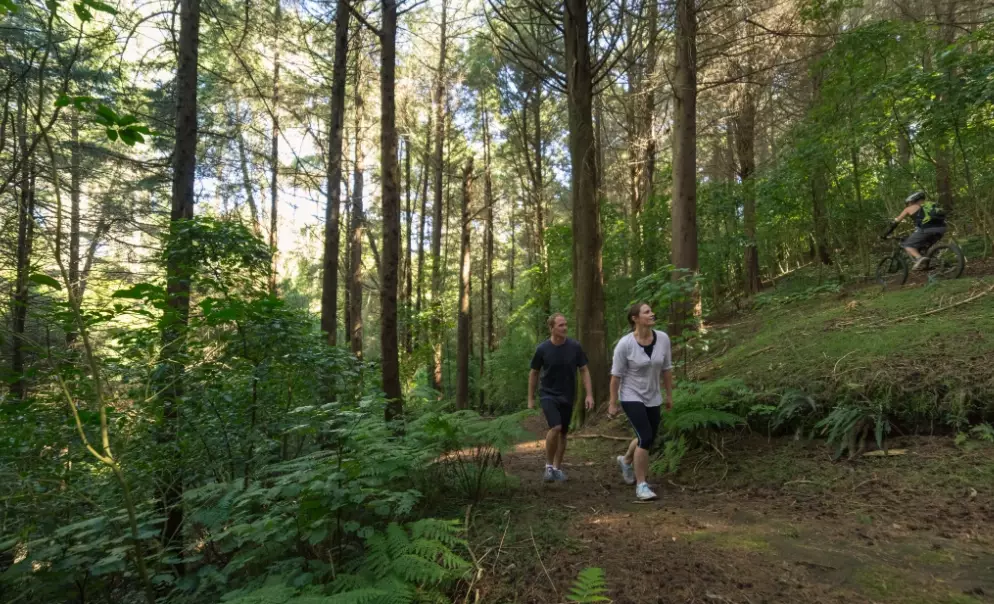
A 2-mile flat trail is a real hike. It counts. I'd rather see a beginner finish a short trail with a smile and come back next weekend than grind through a 6-mile climb and never hike again.
Here's a specific example: a friend asked me to take her on her first hike. She's moderately active but had never hiked. I picked a 1.8-mile loop with 200 feet of gain and a lake view. She loved it. She's now done 12 hikes this year. If I'd taken her on the 5-mile ridge trail she initially suggested, she would have hated it.
What to actually pack: a realistic beginner packing list
This list is for a 2–4 hour hike in mild weather. Not for winter summits or desert heat. Adjust as needed.
| Item | Why it matters | My specific pick or note |
|---|---|---|
| Trail shoes or running shoes | Grip and comfort | Whatever you already own and have walked in for at least 5 miles total |
| Wool or synthetic socks | Blister prevention | Darn Tough or Smartwool, one pair on feet, one spare in pack |
| 1 liter of water | Hydration | Refillable bottle or bladder; drink 2–3 sips every 15 minutes |
| Small snacks | Steady energy | Salted nuts, dried fruit, or half an energy bar per hour |
| Phone in airplane mode | Emergency use only | Battery stays full; use paper map for navigation |
| Light rain jacket | Weather changes | A basic packable shell is enough; no need for Gore-Tex on a first hike |
| Small first-aid kit | Blisters and scrapes | Moleskin, two Band-Aids, antiseptic wipe |
| Headlamp or phone flashlight | Unplanned delays | A $15 headlamp is lighter and leaves your hands free |
Total weight: under 5 pounds. If your pack feels heavy, you're overpacking. For a first hike, leave the camera tripod, the folding chair, and the extra layers at home.
Beginner hiking questions I get asked most
That's it. No fancy gear list, no complicated training plan. Pick a short trail, wear socks that aren't cotton, set a turnaround time, and eat small snacks. You'll finish with energy left and maybe even a smile.
This article was fact-checked against trail safety guidance from the National Park Service and the American Hiking Society.
Comments
Share your experience