How to Plan a First Backpacking Trip: A No-Nonsense Guide
What's in this guide (skip ahead)
- The First-Trip Reality Check
- How Do You Choose a Route That Won't Break You?
- Permits and Logistics: The Boring Stuff That Ruins Trips
- Gear: What You Actually Need (and What You Don't)
- Food and Water Strategy for Beginners
- Training Your Body and Mind
- Safety and Emergency Planning
- FAQ: Real Questions from First-Timers
The First-Trip Reality Check
Most people overestimate their fitness and underestimate how much food they'll want. I've seen it dozens of times on trail. A guy with a brand-new 65L pack, still wearing tags, huffing up a 2,000-foot climb on day one. He packed a camp chair. And a hatchet. I'm not joking.
Here's the non-consensus take: your first backpacking trip should feel almost too easy. Pick a route with low mileage and low elevation gain. The goal isn't to prove something. It's to finish with a smile and want to go again. A 12-mile loop with 1,200 feet of gain over two days is plenty. If you crush it, great. But don't plan your first trip like you're training for the PCT.
Another thing nobody tells you: your pack weight matters less than how it carries. I've carried a 30-pound load that felt like 50 because the hipbelt was wrong. I've also carried 35 pounds that felt fine. Fit beats grams when you're starting out.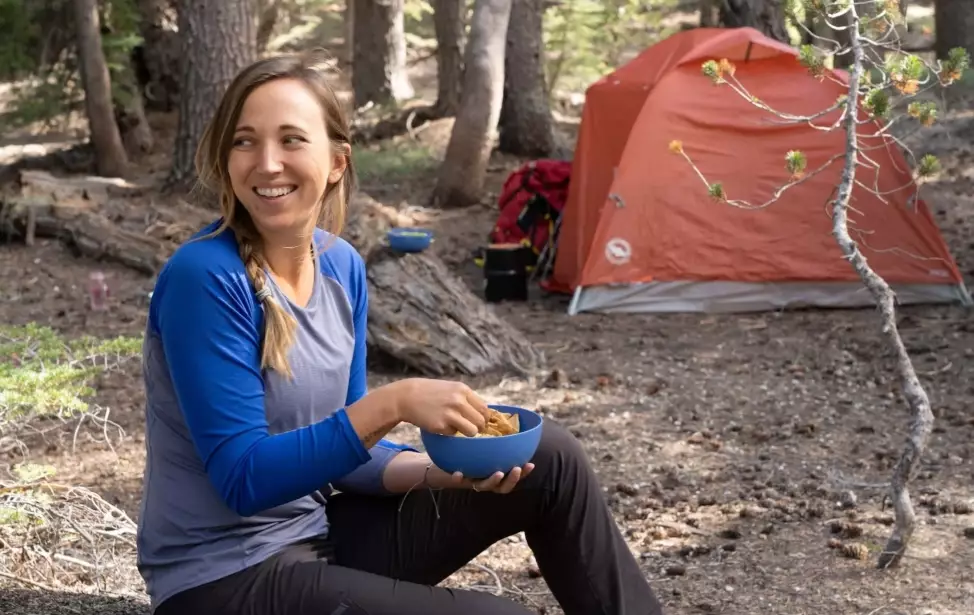
How Do You Choose a Route That Won't Break You?
Start with distance. For a first trip, aim for 4 to 6 miles per day. That's it. That gives you time to filter water, cook a leisurely dinner, and not feel rushed. If you're hiking with kids or a partner who's skeptical, go even shorter.
Look for established trails with reliable water sources. I use CalTopo and Gaia GPS to scout water. On the map, a blue line doesn't always mean water in August. Check recent trip reports on AllTrails or local hiking forums. I almost got skunked on a "reliable" spring in the Ventana Wilderness because I didn't check the latest notes—it was dry.
Elevation gain is sneaky. A flat-looking loop with 2,000 feet of gain over 8 miles doesn't sound bad, but if it's all in one brutal climb at the end of the day, you'll hate it. Break the gain into smaller chunks. I look for routes where the climb happens in the first half of the day, when I'm fresh.
Here's a quick comparison of three beginner-friendly route types:
| Route Type | Example (Region) | Distance / Gain | Water Availability | Why It Works |
|---|---|---|---|---|
| Lollipop loop | Harriman State Park (NY) | 7 mi / 800 ft | Streams and lakes | Easy bailout options, cell service in spots |
| Out-and-back | Point Reyes (CA) | 8 mi / 600 ft | Creeks and campground spigot | Camp near water, minimal navigation |
| Figure-8 with two camps | Porcupine Mountains (MI) | 12 mi / 1,200 ft | Lakes and rivers | Two nights, varied scenery, no shuttle |
Notice I didn't list anything over 12 miles. That's intentional. You can always do more next time.
Permits and Logistics: The Boring Stuff That Ruins Trips
Permits are the number one reason first trips get derailed. Some parks require reservations months in advance. Others have walk-up permits. You need to check the specific land manager's website—not a blog, not a random forum. For national parks, start at the NPS website. For national forests, look at the USFS page. For wilderness areas, check the local ranger district.
I made the mistake of assuming a popular trailhead in the Enchantments would have self-issue permits. It didn't. I drove four hours and got turned around. So now I always call the ranger station. A two-minute phone call saves a wasted weekend.
Also, check road access. That forest service road on the map might be washed out. Call ahead. And know your bailout points. If the weather turns, where can you exit? On my first solo trip, I didn't think about this. A storm rolled in, and I had to hike out in the dark because I hadn't marked an alternate route on my map. Lesson learned.
Gear: What You Actually Need (and What You Don't)
Let's kill a myth: you don't need a $600 tent. A $150 two-person tent from a reputable brand will do fine for three-season trips. What you do need is a reliable sleep system. I've shivered through nights in a cheap sleeping bag, and it sucked. Spend your money on a good sleeping pad (R-value of 3 or higher) and a bag rated for 10 degrees colder than the lowest temperature you expect.
Here's my non-negotiable gear list for a first trip:
- Backpack: 50-65 liters, fitted to your torso. Try it on with weight. REI and other outfitters will load it up for you.
- Shelter: A simple two-layer tent or a tarp if you're adventurous. Practice setting it up in your yard before you go.
- Sleeping bag: Down or synthetic, rated for the conditions. Don't borrow one from the 1980s.
- Sleeping pad: Inflatable or closed-cell foam. I use a foam pad because it can't puncture.
- Stove and fuel: A canister stove is easiest. Test it before you leave.
- Water filter: Sawyer Squeeze or similar. Learn to backflush it.
- Headlamp: With extra batteries.
- First aid kit: Build your own with blister care, pain relievers, and any personal meds.
- Navigation: A paper map and compass, plus a phone with offline maps. Don't rely on your phone alone.
- Layers: Moisture-wicking base, fleece or down midlayer, rain shell. No cotton.
Leave the camp chair. Leave the hatchet. Leave the extra pair of jeans. You won't wear them. I promise.
Food and Water Strategy for Beginners
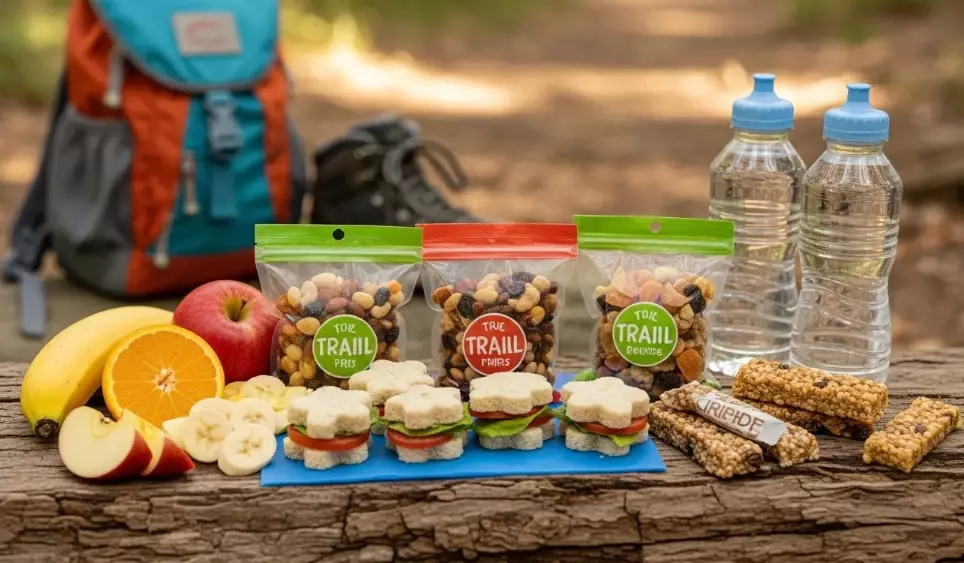
You'll burn more calories than you think, but you'll also lose your appetite at altitude or when you're tired. Pack foods you actually like eating cold and rehydrated. I bring tortillas, peanut butter, and instant ramen. Fancy dehydrated meals are fine, but they're expensive and can upset your stomach if you're not used to them.
Water is more critical. Plan on filtering from streams and lakes. Carry at least two liters of capacity. I carry a 3-liter bladder and a 1-liter bottle. The bottle is for scooping and mixing drink mix. And always have a backup treatment method—chemical tablets weigh nothing.
Here's a sample two-day food plan that won't weigh you down:
| Meal | Food | Weight | Calories (approx) |
|---|---|---|---|
| Breakfast | Oatmeal packets + peanut butter | 4 oz | 400 |
| Lunch | Tortilla + cheese + salami | 5 oz | 500 |
| Dinner | Ramen + dehydrated veggies | 4 oz | 450 |
| Snacks | Trail mix, granola bars | 8 oz | 800 |
That's about 1.3 pounds of food per day. Not a lot, but enough for a short trip. You can supplement with fishing if you're into that.
Training Your Body and Mind
You don't need to be an athlete. But you do need to walk with a loaded pack before your trip. Put 20 pounds in your pack and walk around your neighborhood for an hour. Do that a few times. Your shoulders and hips will tell you if your pack fits. Mine didn't the first time—the shoulder straps dug in. I had to adjust the load lifters.
Mental preparation matters too. Accept that things will go wrong. You'll forget something. It'll rain. A mouse will chew your food bag. The trick is to have a sense of humor and a Plan B. I always pack a small luxury item—a tiny bottle of hot sauce or a camp mug for tea—because small comforts go a long way when you're tired.
Safety and Emergency Planning
Tell someone your itinerary. Leave a note on your car dashboard with your expected return time and route. Carry a personal locator beacon (PLB) or satellite messenger if you're going remote. I use a Garmin inReach Mini, but a PLB is cheaper and does the one job you need: call for help.
Know the signs of hypothermia and heat exhaustion. Carry a fire starter and a space blanket. And for the love of everything, don't rely on cell service. I've had bars on a ridge and nothing in a valley. Paper maps are your friend.
FAQ: Real Questions from First-Timers
This guide was fact-checked against current land management agency guidelines and input from experienced backpackers. No sponsored gear, no fluff. Just the stuff that matters.
Comments
Share your experience