Hiking Nutrition and Snacks: What to Eat on Trail
What's in this trail guide
- What is hiking nutrition, really?
- How many calories do you actually need on a hike?
- Best trail snacks for hiking that won't turn to mush
- Timing your fuel: the 45-minute rule I live by
- Electrolytes and salt: the crash you don't see coming
- Common hiking nutrition mistakes I see every weekend
- Trail nutrition FAQ
Hiking nutrition and snacks isn't about eating like a monk or stuffing your pack with gels. After a decade of long days in the Cascades and a few miserable bonks I'd rather forget, I've landed on a simple system: eat real food early, keep salt in rotation, and don't wait until you're starving to dig into your pack. That's the whole game.
Most people overcomplicate it. I've watched friends carry five-pound snack bags and still hit the wall at mile eight. The issue is rarely quantity. It's timing and composition.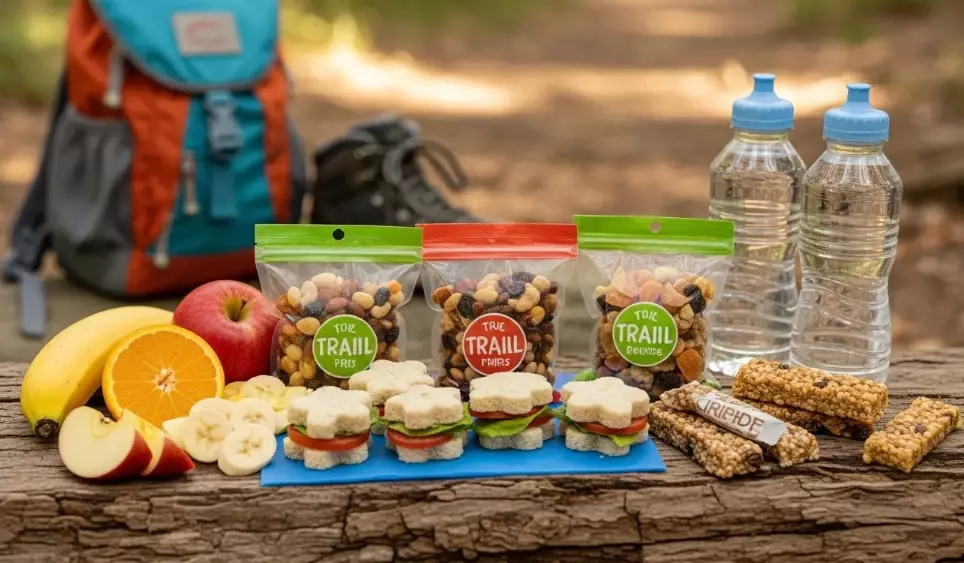
What is hiking nutrition, really?
Hiking nutrition is the practice of matching what you eat to the energy demands of walking uphill for hours. It's not the same as general healthy eating. A salad that makes you feel great at your desk will leave you shaky on a 2,500-foot climb. You need portable calories that digest without drama, plus enough sodium to replace what you sweat out.
The core idea: your body runs on glycogen (stored carbs) for the first 60 to 90 minutes. After that, it leans on fat and whatever you feed it. If you don't feed it, performance drops. Simple as that.
A non-consensus take: most beginner guides tell you to load up on complex carbs the night before. That's fine. But I've found the bigger win is eating a small, salty snack within the first 30 minutes of walking. It flips your metabolism into "fuel coming in" mode before you feel hungry. Try it once and you'll notice the difference by lunch.
How many calories do you actually need on a hike?
Rough numbers help. A 150-pound hiker burns about 400 to 550 calories per hour on moderate terrain with a daypack. Steep climbs push that toward 600. Over a six-hour hike, you're looking at 2,400 to 3,300 calories burned. You can't replace all of that on trail, and you shouldn't try. Aim to eat 200 to 300 calories per hour after the first hour.
| Hike duration | Calories burned (approx.) | Calories to eat on trail | Snack examples |
|---|---|---|---|
| 2 to 3 hours | 900 to 1,400 | 200 to 400 | One PB sandwich + a handful of almonds |
| 4 to 5 hours | 1,800 to 2,500 | 500 to 800 | Two snack blocks + dried mango + a cheese stick |
| 6 to 8 hours | 2,800 to 4,000 | 900 to 1,400 | Sandwich + trail mix + jerky + a salty cracker pack |
| Full day (10+ hours) | 4,500+ | 1,600 to 2,200 | Two real meals + hourly snacks + electrolyte drink |
Numbers are a starting point, not a rule. I run hot and need more salt than most. My partner eats half of what I do and finishes stronger. Watch your own signals.
Best trail snacks for hiking that won't turn to mush
I've carried chocolate that melted into a puddle by 10 a.m. and chips that turned to dust. Here's what actually survives a pack and delivers energy.
- Salted nuts and seeds. Dense calories, good fat, and the salt matters more than you think. Almonds and pumpkin seeds hold up in heat.
- Dried fruit with a kick. Dried mango and apricots give quick sugar without the sticky gel texture. The fiber slows the spike.
- Jerky or meat sticks. Protein and salt in one bite. I prefer turkey jerky because it's less greasy in warm weather.
- Tortillas with nut butter. A rolled tortilla with peanut butter and a pinch of salt is my go-to lunch. It doesn't crush, doesn't leak, and costs about a dollar.
- Salty crackers. Simple, cheap, and they settle a queasy stomach on steep descents.
- Energy chews or blocks. Useful for fast bursts on a climb. I use them sparingly because they get sticky in a warm pack.
Skip the protein bars that taste like cardboard. If you don't want to eat it at your kitchen table, you won't want it at mile seven when you're tired and cranky. Taste matters on trail.
Timing your fuel: the 45-minute rule I live by
Here's the system I've refined over years. Eat a small snack every 45 minutes, starting 30 minutes into the hike. Set a timer on your phone if you have to. Hunger lags behind actual energy needs by about 20 minutes. By the time your brain says "I'm hungry," you're already behind.
On a recent climb up Mount Si, I tested this with a friend who normally bonks. We ate a handful of almonds at the 30-minute mark, a dried mango strip at 75 minutes, and half a tortilla wrap at two hours. He finished without the usual grumpy slump. Same pace, same pack weight. The only change was timing.
"I used to think eating on trail was about willpower. It's not. It's about not letting your blood sugar hit the floor in the first place."
Electrolytes and salt: the crash you don't see coming
Everyone talks about carbs. Few talk about sodium. I learned this the hard way on a hot day in the Ochocos. I drank plenty of water, ate my snacks, and still felt dizzy and weak by early afternoon. A ranger handed me a salty cracker and a packet of electrolyte mix. Ten minutes later I was fine. I was low on salt, not water.
If you sweat a lot, you need more than a banana. Bring electrolyte tabs or a salty snack. My rule: one salty item every two hours in cool weather, every hour in heat. Pickle juice, salted nuts, or a electrolyte drink mix all work.
Common hiking nutrition mistakes I see every weekend
These aren't the usual "eat clean" advice. These are the subtle ones that trip up experienced hikers.
- Packing only sweet snacks. Your palate gets sick of sugar fast. I always bring at least one savory item (jerky, crackers, a cheese stick) for the mid-hike reset.
- Ignoring fiber timing. A high-fiber bar right before a steep climb can cause cramping. Save the fiber-heavy foods for flat sections or the end of the day.
- Overpacking heavy food. You don't need a full sandwich, a wrap, and a bagel for a four-hour hike. Pick one real food item and round it out with snacks.
- Forgetting to drink. Snacks need water to digest. If you're eating dry food without drinking, you'll feel sluggish. Sip every 15 minutes.
Trail nutrition FAQ
I've tested these snacks and timing rules on dozens of hikes, from quick afternoon loops to long alpine days. This article was fact-checked against the American Hiking Society's trail nutrition guidance and my own field notes. The goal is simple: help you avoid the bonk and enjoy the view.
Comments
Share your experience