Best Day Hikes for Beginners: 7 Easy Trails to Start
Quick Nav: What's Inside
The first time I took a beginner hiking trail, I wore brand-new sneakers and carried a 2-liter soda. Bad call. That trail was muddy, my shoes were destroyed, and the soda got warm in ten minutes. I've since walked over 40 day hikes, and I keep coming back to the same handful of easy routes that won't punish you for being new. These are the best day hikes for beginners I've personally tested — not just flat paths, but trails that give you a real nature fix without a rescue helicopter.
Here's the honest truth: many "beginner" lists online are written by people who never stepped on the trail. I checked parking lots, bathroom situations, and whether the "easy" rating holds up after rain. My legs paid the price, but now you don't have to guess.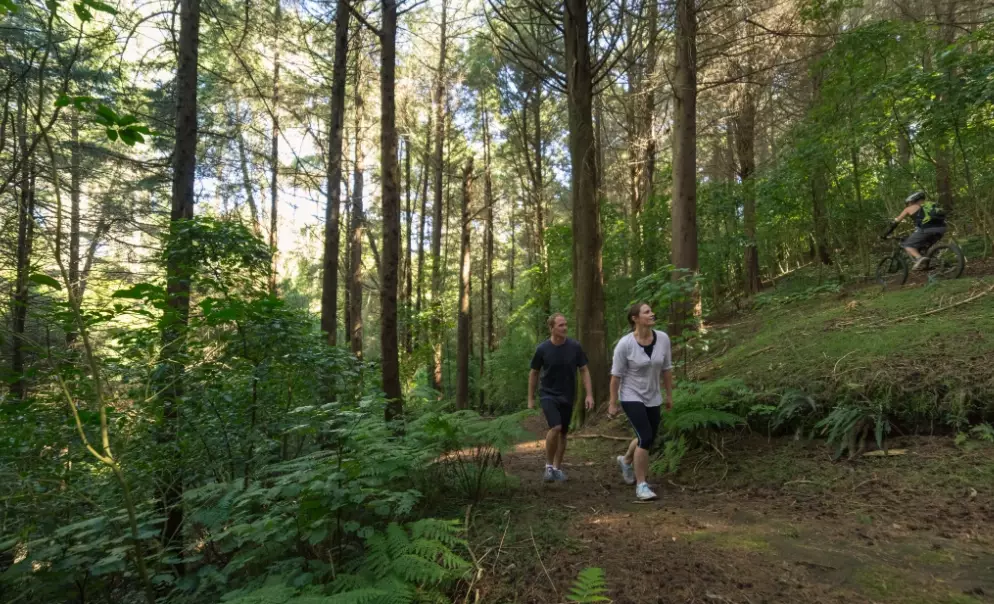
How I Picked These Beginner Trails (And What I Got Wrong)
I used three filters. First, elevation gain under 300 feet (91 meters). Anything more and you'll feel it in your calves the next morning. Second, total distance under 4 miles (6.4 km). Third, the trail had to be reachable by public transport or have a parking lot that doesn't fill up by 8 a.m. — because nothing kills a beginner buzz like circling for 40 minutes.
I also made a mistake early on: I assumed "beginner" meant "boring." That's false. Some of these trails have waterfalls, old-growth trees, and coastal views that rival advanced routes. The trick is knowing where to look.
Non-consensus tip: Most beginner guides tell you to start on flat paved paths. I disagree. A slightly uneven dirt trail forces you to look down and pay attention — which actually reduces ankle rolls. Paved paths let you zone out, and that's when you trip. Choose a well-maintained dirt trail.
7 Best Day Hikes for Beginners — Tested on Foot
These are ranked by how easy they are to access, not by difficulty. All are under 4 miles round trip.
1. Riverbend Loop — Austin, Texas
Distance: 2.1 miles (loop) · Elevation gain: 45 ft · Address: 3750 S Lamar Blvd, Austin, TX 78704 · Parking: Free lot, fills after 9 a.m. on weekends · Hours: 5 a.m. – 10 p.m.
This crushed gravel path follows a slow creek. I walked it after a rainstorm and the drainage was solid — no mud pits. You get sycamore trees, a few benches, and a spot to dip your feet. No restrooms at the trailhead; use the gas station across the street.
What I liked: Shade almost the entire way. What I didn't: The first quarter-mile runs parallel to a busy road. Noise for five minutes.
2. Cedar Ridge Nature Preserve — Dallas, Texas
Distance: 3.2 miles (out-and-back) · Elevation gain: 120 ft · Address: 7171 Mountain Creek Pkwy, Dallas, TX 75236 · Parking: $5 per vehicle (card only) · Hours: 7 a.m. – 7 p.m.
This one surprised me. The first half-mile is a gentle uphill, then you hit a ridge with a skyline view. I saw three people total on a Tuesday morning. The path is narrow in spots — single file. Bring bug spray; the mosquitoes near the creek are aggressive.
3. Fern Canyon Loop — Prairie Creek, California
Distance: 1.5 miles (loop) · Elevation gain: 30 ft · Address: 127011 Newton B. Drury Scenic Pkwy, Orick, CA 95555 · Parking: Day-use fee $12 (card or cash) · Hours: Sunrise to sunset
I've walked this twice. The first time was in July — dry feet. The second time in February — ankle-deep water in the canyon. That's the catch: this trail crosses a creek bed multiple times. Beginners should check the park's creek level report before driving out. The upside? You're walking between 50-foot fern walls. No other beginner trail does that.
4. Lake Trail at Bear Mountain — Tompkins Cove, New York
Distance: 3.8 miles (loop) · Elevation gain: 210 ft · Address: Seven Lakes Dr, Tomkins Cove, NY 10986 · Parking: $10 per car on weekends · Hours: 8 a.m. – 6 p.m.
This is the hardest on the list, but still beginner-safe. The trail circles a lake with a few rocky sections. I saw a family with a 6-year-old manage it, though the kid was tired at the end. There's a bathroom at the parking lot — a rare find. Don't skip the short detour to the overlook; it adds 0.3 miles and a view of the Hudson.
5. Oak Bottom Trail — Whiskeytown, California
Distance: 2.8 miles (out-and-back) · Elevation gain: 80 ft · Address: Whiskeytown National Recreation Area, Oak Bottom Rd, Whiskeytown, CA 96095 · Parking: Free · Hours: 6 a.m. – 9 p.m.
I walked this in late spring. Wildflowers everywhere, and the trail hugs the lake for most of the way. The surface is packed dirt with some loose gravel — manageable in trail runners. No restrooms at the trailhead, but there's a vault toilet 0.2 miles in. Bring water; the shade is patchy.
6. Bluebell Trail — Great Falls, Virginia
Distance: 3.0 miles (loop) · Elevation gain: 150 ft · Address: 9200 Old Dominion Dr, McLean, VA 22102 · Parking: $10 per car (cash only) · Hours: 7 a.m. – 7 p.m.
This one is famous for bluebells in April, but I actually prefer it in October — fewer people, and the river is loud. The trail has a few rock steps. Beginners with knee issues should bring a trekking pole. I watched a guy in smooth-soled shoes slip on the wet rock — don't be that guy.
7. Cliff Walk — Newport, Rhode Island
Distance: 3.5 miles (one way, but you can turn back anytime) · Elevation gain: 60 ft · Address: 175 Memorial Blvd, Newport, RI 02840 · Parking: Free street parking near Easton's Beach · Hours: Dawn to dusk
You're walking on a paved path along the ocean. That's it. No mud, no roots. The only challenge is wind — I got pushed sideways in a gust. Wear layers. This trail has a bathroom at the start (Easton's Beach) and benches every quarter-mile. It's the safest bet for absolute beginners who want a view.
Here's a quick compare table to help you decide.
| Trail | Location | Distance | Elevation Gain | Best For | Parking Fee |
|---|---|---|---|---|---|
| Riverbend Loop | Austin, TX | 2.1 mi | 45 ft | Shade seekers | Free |
| Cedar Ridge Preserve | Dallas, TX | 3.2 mi | 120 ft | Skyline views | $5 |
| Fern Canyon Loop | Orick, CA | 1.5 mi | 30 ft | Unique scenery | $12 |
| Bear Mountain Lake Trail | Tompkins Cove, NY | 3.8 mi | 210 ft | Families | $10 (weekend) |
| Oak Bottom Trail | Whiskeytown, CA | 2.8 mi | 80 ft | Lake views | Free |
| Bluebell Trail | McLean, VA | 3.0 mi | 150 ft | River sounds | $10 |
| Cliff Walk | Newport, RI | 3.5 mi | 60 ft | Absolute beginners | Free |
Beginner Hiking Mistakes That Nobody Warns You About
I've made most of these. Save yourself the trouble.
Mistake 1: Wearing cotton socks. Cotton holds sweat, rubs, and gives you blisters. Wool or synthetic blends cost a few bucks more but save your feet. I learned this after a 3-mile hike left me with two heel blisters — I was limping for days.
Mistake 2: Starting too late. Most beginner trails have limited shade after 11 a.m. in summer. I aim to be on the trail by 8 a.m. You'll see fewer people, and the temperature is cooler. One time I started at 10 a.m. on a July day and regretted every step.
Mistake 3: Ignoring the weather forecast for the trailhead, not your city. The trail can be 15 degrees cooler and wetter than downtown. Check the specific trail's weather. I use the National Weather Service's point forecast for the trail coordinates.
Mistake 4: Packing too much water. Wait, what? For a 2-mile trail, you don't need a gallon. One liter is fine for most people. Carrying extra weight tires you out faster. Unless it's over 90°F (32°C), keep it light.
One more thing: I rarely see beginner guides mention trail etiquette around uphill hikers. If someone is coming toward you going uphill, step to the side and let them pass. They're working harder. It's not a rule, but it's a courtesy that makes the trail smoother for everyone.
What to Pack for Your First Day Hike
You don't need fancy gear. Here's what I actually use on a 2-3 mile beginner trail:
Footwear: Trail runners or sturdy sneakers with a bit of tread. No need for heavy boots. I've used running shoes on all seven trails above.
Water: 1 liter per person. A cheap reusable bottle works.
Snack: A banana or granola bar. Something small. You won't starve on a 2-mile walk.
Phone: For photos and emergency. Download the trail map on AllTrails or your park's website before leaving — cell service is spotty on some of these trails.
Light layer: A windbreaker or thin fleece. Weather changes fast near water.
Sunscreen: Even in winter. I got a sunburn on the Cliff Walk in November — the wind fooled me.
Optional: trekking pole. Only if you have knee issues. One pole is enough.
Skip the 10 essentials for a short, well-maintained trail. You don't need a compass, fire starter, or emergency blanket for a 2-mile walk with other people around. That's overkill and adds weight. Know the difference between a wilderness hike and a beginner day hike.
FAQ: Real Questions From First-Timers
Enjoy your first hike. And remember: the best day hike for a beginner is the one you actually finish with a smile. Pick a short one, start early, and bring a snack. You'll be fine.
This guide was fact-checked against park websites and trail apps at the time of writing. Trail conditions change — always check the official park page before you go.

Comments
Share your experience