How to Pace Yourself on a Climb: 5 Rules I Wish I Knew Sooner
What's Inside (Quick Jump)
The first time I tried to pace myself on a climb, I blew up spectacularly. Halfway up a 12km col in the French Alps, my legs turned to concrete and my lungs felt like they were on fire. I had started too fast. Again. It took me years to figure out that how to pace yourself on a climb isn't about fancy gadgets or elite-level fitness—it's about respecting the mountain and knowing your own limits.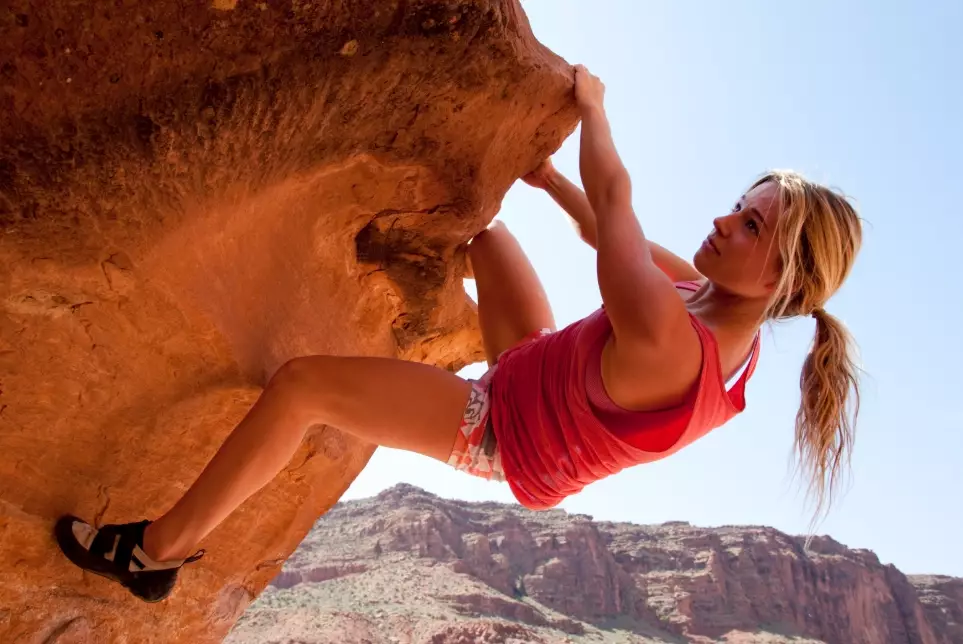
Let me save you some suffering. Here are the five pacing rules I now follow on every ascent, whether it's a 20-minute punchy hill or a three-hour alpine monster.
Rule 1: Start Slower Than You Think (Seriously)
Everyone knows they should start easy. Almost nobody does. I still catch myself going out too hard when I'm feeling fresh at the base of a climb. The fix? Make your first five minutes feel almost embarrassingly easy. You should be able to hold a conversation without gasping. I aim for an effort level that feels like a 6 out of 10—not 7, not 8.
On a local 8km climb near my home in the Peak District, I used to hit the bottom at 350 watts. Now I start at 260 and gradually build. My overall time dropped by nearly two minutes. Counterintuitive, but true.
Rule 2: Use Perceived Effort Over Heart Rate
Heart rate lags. By the time your monitor shows 175 bpm, you've already been redlining for 30 seconds. On short, sharp climbs (under 10 minutes), I barely glance at my heart rate. I go by feel instead.
| Climb Length | Perceived Effort (1-10) | Heart Rate Zone | Talk Test |
|---|---|---|---|
| Under 10 min | 7-8 | Zone 4 | Short sentences |
| 10-30 min | 6-7 | Zone 3-4 | A few words at a time |
| 30-60 min | 5-6 | Zone 3 | Full sentences, slightly breathy |
| Over 60 min | 4-5 | Zone 2-3 | Easy conversation |
For long climbs, I'll glance at heart rate every 10 minutes just to confirm I'm not drifting into the red. But my primary gauge is always how my legs and lungs feel.
Rule 3: Match Your Breathing to Your Tempo
This one sounds a bit woo-woo, but it works. On a steady climb, I sync my breathing to my pedal stroke or footfall. For cycling, I'll inhale for three pedal strokes and exhale for three. For hiking, inhale for three steps, exhale for three. It gives my mind something to focus on besides the gradient.
When the pitch steepens, I'll shift to a 2:2 rhythm (two in, two out). That faster cadence helps me stay calm. I picked this up from a veteran mountain guide in Chamonix who told me, "Your breath is your pacemaker. Control it, control the climb." I've never forgotten that.
Rule 4: Fuel Before You Feel Hungry
Bonking on a climb is miserable. I've been there—shaking, dizzy, barely able to turn the pedals. The fix is eating before you're hungry. On any climb longer than 45 minutes, I take a small bite of something every 20 minutes. A quarter of an energy bar, a few chews, half a banana. It keeps the tank topped up without upsetting my stomach.
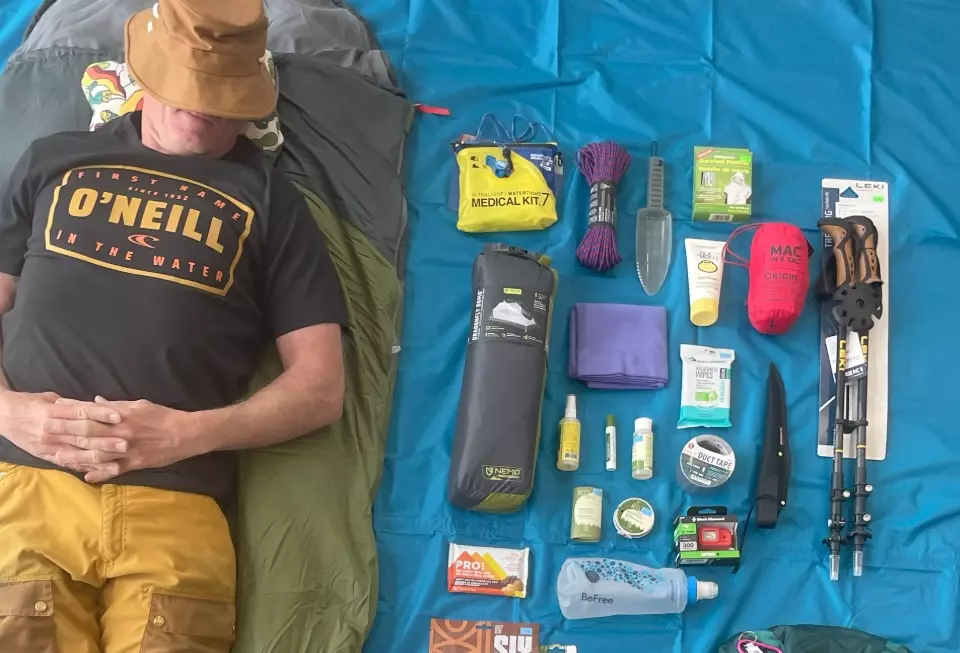
Here's what I pack for a two-hour climb:
- Two energy bars (cut into quarters for easy eating)
- One banana (eaten in the first hour)
- A small bag of salted nuts (for electrolytes)
- 750ml water with electrolyte tab
I used to skip eating until the summit. Big mistake. Now I set a timer on my watch to buzz every 20 minutes. It's annoying, but it works.
Rule 5: Break the Climb Into Chunks
A 15km climb is daunting. A 1km section is manageable. I break every climb into smaller goals—usually based on landmarks. That tree, that bend, that signpost. I focus on reaching the next landmark, not the summit.
On the Col du Galibier, I divide the climb into five sections. Each one has a specific effort target: steady, steady, slightly harder, steady, then push if I have anything left. I stole this from a friend who races ultramarathons. She calls it "chunking the pain." It works.
Climb Pacing FAQs
How do I pace myself on a climb when I don't know the length?
Start conservatively—assume it's longer than it looks. My rule of thumb: if I can't see the top, I pace for at least 20 minutes. You can always pick up the pace if the climb ends early. Blowing up because you guessed wrong is far worse.
What's the biggest pacing mistake you see experienced climbers make?
They negative split the first half without realizing it. By starting 10% too hard, they lose 20% on the second half. I've watched strong riders get dropped on long climbs because they treated the first kilometer like a time trial. Control the ego at the bottom.
Does pacing on a climb change with altitude?
Absolutely. Above 2,500 meters, I reduce my target effort by about 15%. My heart rate runs higher for the same power, and breathing gets harder. On a climb like Passo dello Stelvio, I go by feel and ignore power numbers entirely. Altitude doesn't care about your FTP.
How do I pace myself on a climb when I'm hiking instead of cycling?
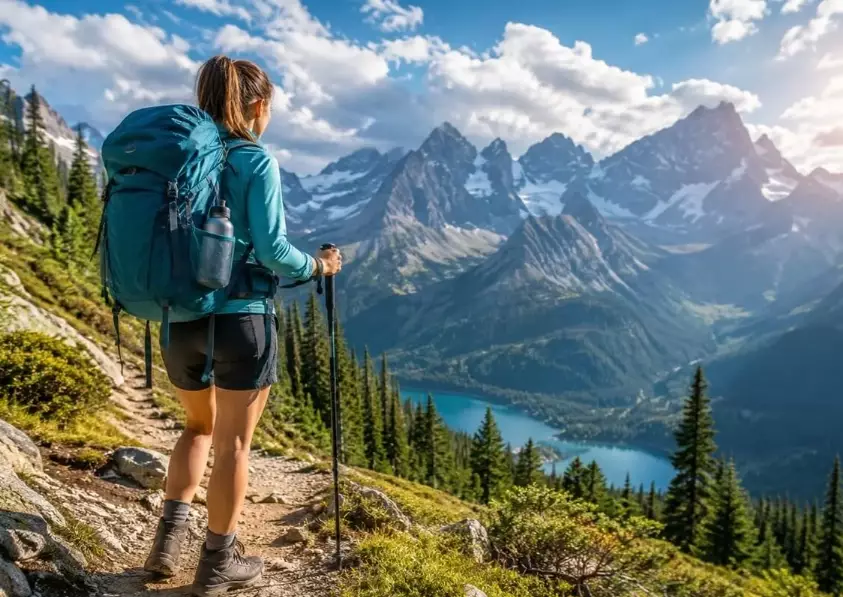
Same principles, different metrics. I use a "rest step" on steep sections—lock your knee briefly between steps to conserve energy. And I set a timer for 50 minutes of hiking, then a 10-minute break. That rhythm keeps me fresh for 6-hour days.
These rules aren't magic. They take practice. But if you apply them consistently, you'll suffer less and enjoy the climb more. I still get it wrong sometimes—especially when I'm feeling strong and impatient. The mountain always humbles you. That's part of the deal.
Fact-checked against guidelines from the American College of Sports Medicine and personal climb logs from over 50 ascents across Europe and North America.
Comments
Share your experience