How to Poop in the Woods: A No-Nonsense Field Guide
What's in this guide (skip ahead)
You're miles from the trailhead. The coffee from breakfast just hit. And there's no porcelain throne in sight. I've been there—more times than I care to admit. The first time I had to poop in the woods, I did almost everything wrong: dug a hole too shallow, didn't pack out the TP, and spent the next hour praying no one would walk by. That was fifteen years ago. Since then, I've guided backcountry trips, taught Leave No Trace courses, and learned that a little know-how makes this whole business quick, clean, and invisible.
Here's the short version: dig a cat hole 6–8 inches deep, 200 feet from water and trails, do your thing, pack out the paper, and cover the hole. But the details matter more than most articles let on. Below is what I've learned from real trail miles—including the stuff that rarely gets mentioned.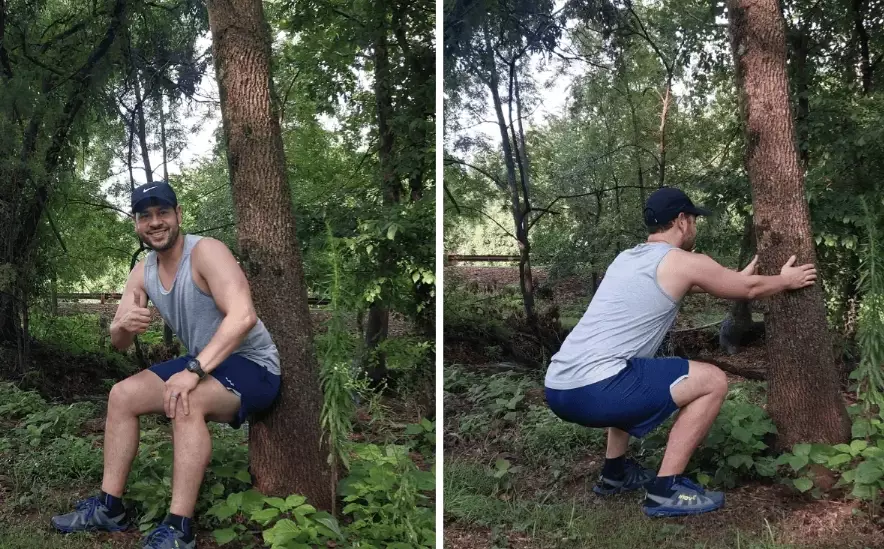
Why the Cat Hole Is Still King
You've probably heard of the cat hole. It's the standard method in most wilderness areas. But why 6–8 inches? Because that's the sweet spot where soil microbes can break down your waste relatively quickly—usually within 6 to 12 months—while keeping it deep enough that animals won't dig it up. I've seen people dig 3-inch holes and call it good. That's a mistake: too shallow, and rain or a curious coyote exposes everything.
Another thing: not all soil is created equal. Alpine soils with thin organic layers break down waste very slowly. In those spots, pack it out even if you're using a cat hole. The Leave No Trace Center for Outdoor Ethics recommends packing out solid waste in fragile environments like deserts, alpine zones, and river canyons. If you're in doubt, pack it out.
Step-by-Step: How to Poop in the Woods
Here's the sequence I follow, refined over years of trial and error (and a few embarrassing moments).
1. Pick Your Spot
Find a spot at least 200 feet (about 70 adult paces) from water sources, trails, and campsites. I usually look for a slight rise or a flat area with soft, dark soil. Avoid drainages—rain can wash waste into streams. Also, look up: don't dig under a low tree branch where someone might bonk their head, and check for poison ivy around your chosen spot.
2. Dig the Hole
Use a dedicated trowel (not your cooking spoon). A sturdy metal trowel like the REI snow stake or a Deuce of Spades works. Dig a hole 6–8 inches deep and about 6 inches wide. Pile the dirt to one side. If the ground is rocky, move on—don't fight it.
3. Do Your Business
Squat with your feet on either side of the hole. I won't get graphic, but leaning back slightly helps. Some people bring a small piece of closed-cell foam to sit on—it's a game-changer for balance. After you're done, use a stick or a smooth stone to gently push the waste into the hole.
4. Deal with the Paper
Pack out all toilet paper in a sealed bag (a Ziploc or a dedicated stuff sack). Burning TP is risky—wildfires start that way, and half-burnt paper is gross. I've used natural materials like smooth leaves or snow, but honestly, packing out paper is the most reliable method. If you're in a pinch, unscented wet wipes work, but they must be packed out too—they don't decompose.
5. Cover and Disguise
Fill the hole with the dirt you dug out. Tamp it down gently. Then scatter some natural debris—pine needles, leaves, rocks—over the spot to make it look undisturbed. I also like to snap a small branch and place it over the spot as a subtle marker for myself, so I don't accidentally dig there again.
What Gear Actually Works
You don't need much, but the right tools make the job faster and cleaner. Here's a quick comparison based on my field testing.
| Gear Item | Top Pick | Why It Works | Price Range |
|---|---|---|---|
| Trowel | Deuce of Spades #2 | Ultralight (0.6 oz), serrated edge cuts roots, bright color so you don't lose it | $20–$25 |
| Toilet Paper | Portable TP tablets (e.g., TravelJohn) | Compact, no roll to crush, dissolves in water (but still pack out) | $8–$12 |
| Waste Bag | WAG Bag | Poo powder gels waste, double-bagged, approved for pack-out in sensitive areas | $3–$5 per bag |
| Hand Sanitizer | Any 70%+ alcohol gel | Critical for hygiene; small bottle lasts a weekend | $2–$5 |
Don't bother with fancy folding shovels—they're heavy and flimsy. A simple trowel is more durable. Also, I always carry a small bottle of hand sanitizer in my hip belt pocket. Trust me on that.
How Far from Water and Trails?
The 200-foot rule is standard, but let's put that into perspective. Seventy adult steps. If you're near a lake, walk away from the shore until you can't see the water. I usually aim for 100 steps to be safe. And don't forget: that distance applies to any water source, including seasonal streams and puddles. In popular areas, rangers sometimes require 100 feet from trails—check local regulations. The National Park Service often posts specific guidelines at trailheads.
Mistakes I See All the Time
Even experienced hikers mess up. Here are the ones I see most often—and how to avoid them.
- Hole too shallow. Three inches is not a cat hole. Use your trowel's handle as a depth gauge—most handles are about 6 inches long.
- Not packing out TP. Burning it is a fire risk, and burying it doesn't work in arid environments. Always pack it out in a sealed bag.
- Forgetting hand hygiene. I've seen people skip sanitizer after digging. That's how norovirus spreads on the trail. Bring a tiny bottle and use it.
- Digging in the wrong soil. Sandy or gravelly soil collapses easily. Look for loamy, dark soil with some organic matter. If it's too rocky, move on.
- Pooping too close to camp. Even 200 feet feels far at night, but it's necessary. I keep a headlamp and my trowel in an easy-to-find spot for midnight emergencies.
One non-consensus tip: don't use a stick to dig. It breaks, you get splinters, and the hole ends up too shallow. Spend the $20 on a decent trowel. Your future self will thank you.
FAQ: Real Questions from the Trail
This guide is based on my personal experience and current Leave No Trace guidelines. No sponsors, no fluff—just what works in the field. Fact-checked against LNT.org and NPS recommendations.
Comments
Share your experience