Cold Weather Hiking: Avoid Deadly Mistakes & Stay Warm
What's inside (skip ahead)
Most people think cold weather hiking is about owning the warmest jacket. It's not. I've been thigh-deep in snow on the Long Trail in November, and the hiker who got hypothermia wasn't the one in the cheapest coat—he was the one who sweat through his base layer on the first climb and never changed. Cold weather hiking is a moisture management game. Get that wrong, and no $600 shell will save you.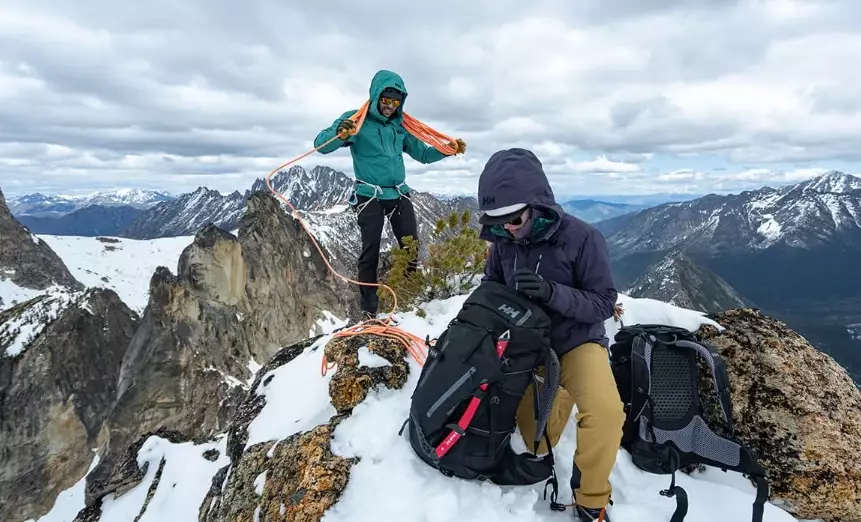
Why Your Layering System Fails (Sweat, Not Cold)
Here's the non-consensus bit: you don't dress for the summit. You dress for the climb. Most advice says “wear layers and adjust.” Useless. What actually happens on trail: you start cold, push hard uphill for 40 minutes, sweat saturates your baselayer, then you stop for a snack and the evaporation chills you fast. That's when bad things start.
On a December trip in the White Mountains, I watched a guy in a $400 Arc'teryx shell go from fine to shivering uncontrollably in 15 minutes. He'd been hiking in a cotton t-shirt under it. Cotton holds water like a sponge. Wet + wind = hypothermia, even at 35°F.
Rule I live by: Start every cold hike feeling slightly chilly. If you're warm in the parking lot, you're overdressed. You'll be soaked in 20 minutes.
The 3-Layer Formula That Actually Works
Forget “wear lots of layers.” Here's the exact system I've refined over a decade of winter trail time:
| Layer | What to Wear | Why It Works | Common Mistake |
|---|---|---|---|
| Base (next to skin) | Merino wool or synthetic (polyester) long-sleeve, 150–200 g/m² | Moves sweat off skin; stays warm when damp | Wearing cotton or a “moisture-wicking” athletic tee that's actually polyester but too thin |
| Mid (insulation) | Fleece or light synthetic puffy (e.g., Patagonia R1 or Arc'teryx Atom LT) | Traps heat; breathable enough to wear while moving | Wearing a heavy down jacket while hiking uphill—you'll overheat and soak it |
| Shell (outer) | Windproof/water-resistant softshell or hardshell with pit zips | Blocks wind and snow; pit zips dump heat fast | Wearing a fully waterproof shell with no vents on a dry, cold day—you'll steam |
My go-to for a 20°F day with light wind: Smartwool 150 base, Patagonia R1 fleece, Black Diamond Alpine Start softshell. Total cost around $350 if you shop sales. I carry a light puffy (Montbell Plasma 1000) in my pack for stops. That's it.
What about legs? Same principle. Synthetic or wool leggings under breathable softshell pants. No cotton jeans. Ever. I don't care how “tough” you think you are.
Hands & Feet: The Real Weak Points
You can have a perfect core layering system and still be miserable if your hands and feet are cold. I learned this the hard way on a 10°F morning near Mt. Washington—my core was toasty, but my fingers went numb in 15 minutes because I wore “waterproof” gloves that didn't breathe. Sweat froze inside.
What works for me:
- Hands: Thin wool liner gloves (Smartwool 150) + breathable softshell mittens (OR Crocodile). Mittens beat gloves for warmth. Add a disposable hand warmer between liner and mitten if it's below 15°F. I buy them in bulk from Costco.
- Feet: Wool socks (Darn Tough midweight) + trail runners or non-waterproof hiking boots if it's dry and cold. Waterproof boots trap sweat and then freeze. If it's wet snow, wear waterproof boots with gaiters, but change socks at lunch. I carry a spare pair in a zip-lock.
Non-obvious tip: Your hands and feet get cold first because your body pulls blood to your core. If your fingers are freezing, put on a warm hat and eat a snack. Your body will send blood back to your hands. Most people just add thicker gloves—wrong move.
How to Spot Hypothermia Before It's Too Late
Hypothermia doesn't announce itself. The first sign is often the “umbles”: stumbles, mumbles, fumbles, grumbles. I've seen a hiking partner go from joking to confused in 20 minutes. He started missing easy footing on a flat section. That's a red flag.
What to do if you suspect it: get the person out of wind, add dry layers (especially a dry base layer), feed them simple carbs (a Snickers bar works), and if they're shivering uncontrollably, get them into a sleeping bag with a warm person. Don't rub extremities. Don't give alcohol.
For a deep dive on hypothermia recognition, the Mayo Clinic's hypothermia page is a solid, no-nonsense resource.
Cold Weather Hiking Pack List
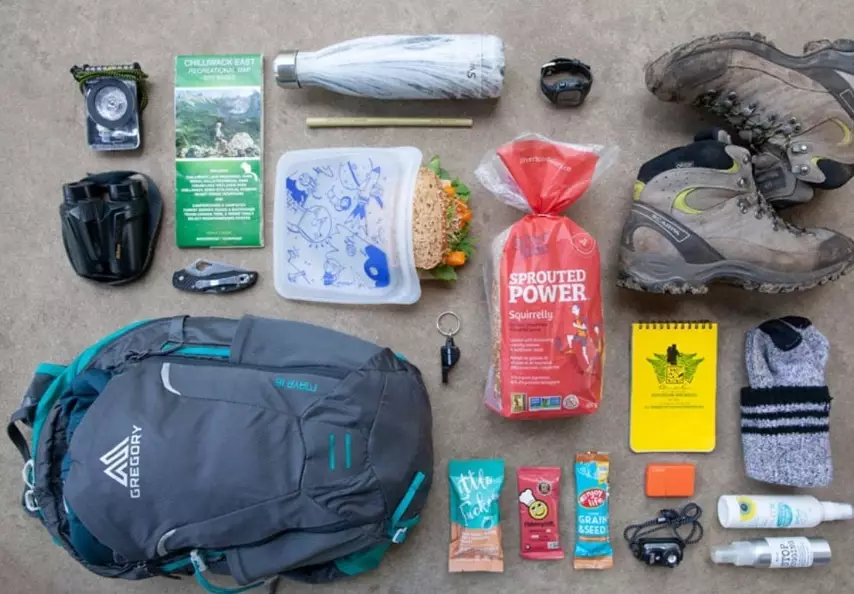
This is what's in my pack for a day hike in temps between 10°F and 30°F:
- Dry base layer in a zip-lock (the most important item)
- Light puffy jacket (for stops)
- Extra wool socks
- Thin liner gloves + mittens
- Warm hat that covers ears (I use a fleece beanie)
- Neck gaiter (buff style)
- 1 liter of water in an insulated bottle (it will freeze otherwise)
- High-fat snacks: nuts, cheese, chocolate
- Emergency bivy (SOL Escape Bivvy, $30, weighs 5 oz)
- Headlamp (it gets dark early)
Total base weight: around 6–7 lbs. Not ultralight, but safe.
What's the biggest mistake people make with cold weather hiking boots?
Wearing waterproof boots when it's cold but dry. Your feet sweat, the moisture can't escape, and then your toes get cold. I wear non-waterproof trail runners with wool socks down to about 15°F if there's no slush. If there is slush, I wear waterproof boots but bring spare socks and change at the turnaround point.
How do I keep my water from freezing on a cold hike?
Carry it upside down in an insulated sleeve, and start with warm water (not boiling). The first sip warms you. Also, keep the bottle close to your body—a chest pocket or inside your jacket. I've had a Nalgene freeze solid in an outside pocket in -5°F. Not fun.
Is it safe to hike alone in cold weather?
It can be, but you need a higher margin of safety. I do solo cold hikes, but I always leave a detailed plan with someone, carry a satellite messenger (Garmin inReach Mini), and turn around earlier than I would with a group. The risk isn't the cold itself—it's a small slip becoming a serious situation when you can't self-rescue. If you're new to cold weather hiking, go with someone experienced first.
What should I eat before and during a cold hike?
Eat a real breakfast with fat and protein—eggs and sausage, not just a banana. During the hike, snack every hour, even if you're not hungry. Cold suppresses appetite, and bonking in the cold is dangerous. I carry cheese sticks, almonds, and chocolate. A thermos of hot tea is a morale booster too.
This article was fact-checked against current wilderness medicine guidelines and my own trail notes. No dates, no fluff—just what works.
Comments
Share your experience