What to Pack for a Day Hike: 10 Essentials That Save You
Here's what I'd bookmark before you head out
Let's cut the fluff. If you're wondering what to pack for a day hike, the answer isn't fifty items from a survivalist catalog. It's a small, smart kit that keeps you comfortable, safe, and light on your feet. I've been hiking for over a decade—everything from three-hour local loops to all-day alpine pushes—and I've made almost every packing mistake you can think of. Forgot rain gear on a sunny forecast. Brought three liters of water on a shaded creek trail. Packed a heavy camera I never used.
This list reflects what I actually carry now, plus the subtle (but important) stuff most guides skip.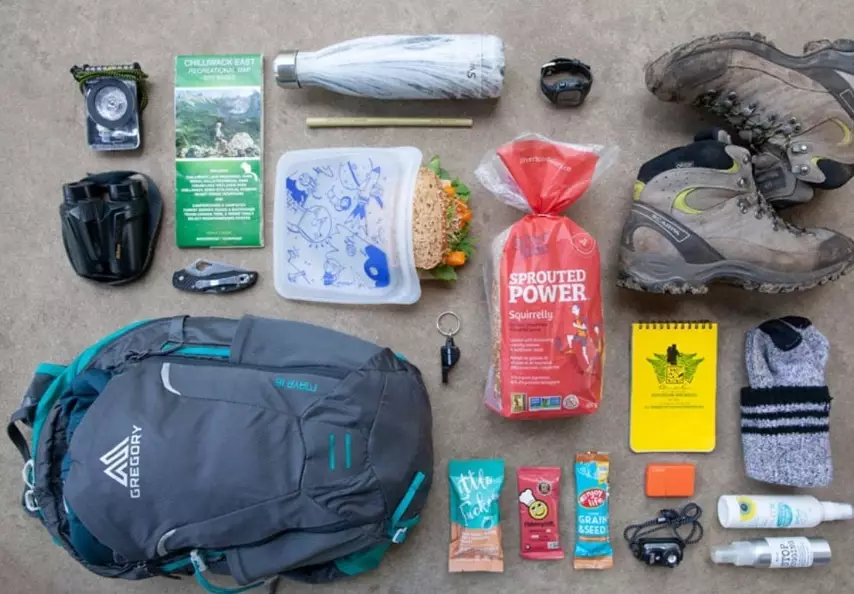
What to Pack for a Day Hike: The 10 Essentials That Actually Matter
The classic "10 essentials" framework is solid, but it's often presented as gospel without nuance. Here's my version, tuned by real miles and real blisters.
1. Navigation (Offline Maps + Paper Backup)
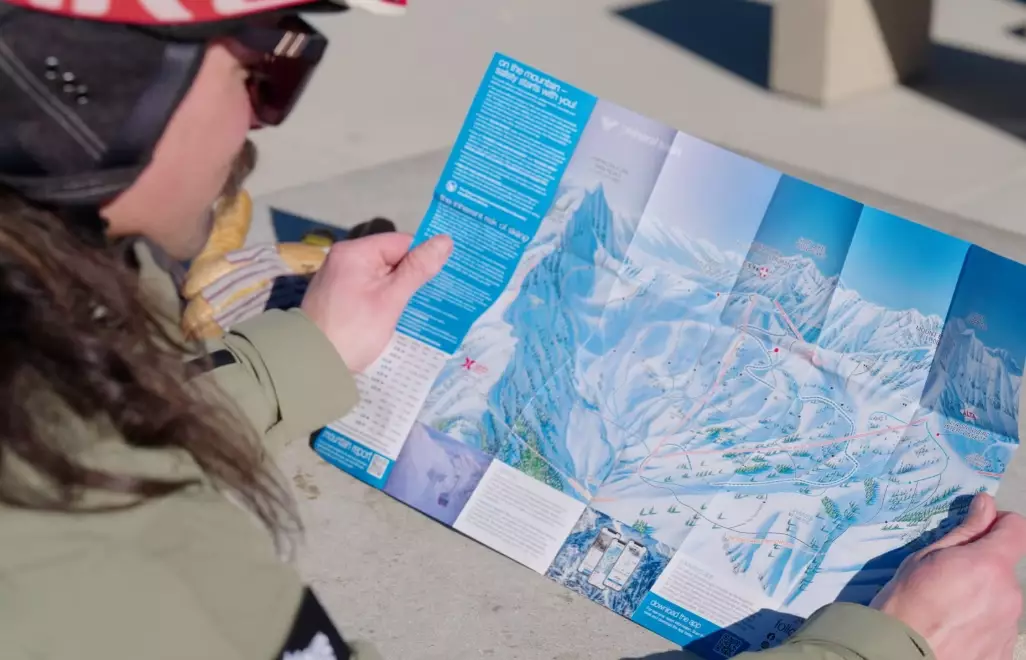
Phone dies. Apps crash. A paper map and a tiny baseplate compass weigh almost nothing and never run out of battery. I use REI's navigation basics as a quick refresher before any unfamiliar route. Download the map offline first—don't assume you'll have signal at the trailhead, because you won't.
2. Hydration (Water + Electrolytes)
Rule of thumb: 0.5 liters per hour of moderate hiking. Hot day or steep climb? Double it. I carry a 2-liter bladder and a small bottle with electrolyte powder. The mistake I see constantly: people chug water but skip electrolytes, then wonder why they feel foggy at mile 5. If it's hot, a salty snack (see below) does more than another liter of plain water.
3. Nutrition (Real Food, Not Just Gels)
Gels are fine for races. For day hikes, bring actual food. A peanut butter and honey sandwich, a handful of almonds, and a piece of fruit cover most needs. I always pack one extra snack for the "I'm done" moment—it's cheaper than a rescue. Avoid sugary bars that spike and crash; you'll feel it on the drive home.
4. Insulation (A Warm Layer You Hope Not to Use)
Even on a warm day, summits and shaded valleys can run 10–15°F cooler. A lightweight fleece or puffy jacket that stuffs into its own pocket is worth the 8 ounces. I learned this the hard way on a July hike in the Cascades when a cloud rolled in and I shivered through lunch.
5. Rain Shell (Yes, Even if the Forecast Says 0%)
Mountain weather flips fast. A basic waterproof shell (breathable, not a plastic poncho) lives in my pack year-round. The poncho crowd: you'll sweat inside it and still get wet. Spend $40 on a real shell if you hike more than twice a year.
6. First Aid Kit (Small, Custom, Not the Store-Bought Blob)
Pre-made kits are full of stuff you'll never use and missing stuff you need. Mine: blister plasters (Compeed, not generic), a few ibuprofen, antihistamine, a small roll of athletic tape, and tweezers for splinters. That's it. Add personal meds if needed.
7. Sun Protection (Hat, Sunglasses, Sunscreen Stick)
A wide-brim hat beats a baseball cap for neck coverage. Sunscreen stick is less messy than lotion and won't leak. Don't forget the backs of your hands—mine got roasted last spring because I focused on my face.
8. Headlamp (With Fresh Batteries)
Even if you plan to be back by 2 PM. A twisted ankle or a wrong turn can turn a 3-hour hike into a 7-hour one. I once met a couple descending in pitch dark using their phone flashlight—not fun. A 200-lumen headlamp weighs 2 ounces. Just pack it.
9. Repair Kit (Tape, Zip Ties, a Tiny Knife)
Duct tape wrapped around a trekking pole or lighter is a classic. Zip ties fix a broken pack strap. A small Swiss Army knife handles everything else. This is the most-skipped item on the list and the one you'll wish you had.
10. Emergency Shelter (Space Blanket or Bivy)
A $5 mylar space blanket can save your life if you're injured and waiting for help. It's not comfortable, but it blocks wind and rain. I also carry a small fire starter (ferro rod) in winter. The goal isn't bushcraft—it's staying alive for a few hours.
| Item | My Go-To Example | Weight (approx.) | Why It Matters |
|---|---|---|---|
| Navigation | Phone + paper map + baseplate compass | 3 oz | Lost signal is the #1 cause of unintended overnighters |
| Hydration | 2L bladder + electrolyte tab | 4.5 lbs (full) | Dehydration sneaks up faster than hunger |
| Nutrition | PB&Honey sandwich + almonds + apple | 12 oz | Steady energy beats sugar spikes |
| Insulation | Patagonia Nano Puff (or similar) | 10 oz | Temperature drops with elevation and shade |
| Rain Shell | REI Rainier (or similar breathable shell) | 10 oz | Hypothermia risk in wet wind is real |
| First Aid | Custom kit with blister plasters | 4 oz | Blisters end hikes; quick fixes keep you moving |
| Sun Protection | Wide-brim hat + sunscreen stick | 3 oz | Sunburn zaps energy and ruins sleep |
| Headlamp | Black Diamond Spot 400 | 3 oz | Darkness arrives faster than you think |
| Repair Kit | Duct tape + zip ties + tiny knife | 2 oz | Gear failures happen; fixes are cheap |
| Emergency Shelter | Mylar space blanket | 2 oz | Blocks wind/rain if you're stuck |
What to Leave Behind (Most People Overpack)
I get it—packing feels productive. But every extra pound is a pound your knees carry downhill. After a decade of trial and error, here's what stays home:
- Heavy camera gear. Unless you're shooting professionally, your phone is fine. I lugged a DSLR for years and used it maybe 10% of the time.
- Multiple water bottles. One bladder + one small bottle is plenty. Extra bottles slosh and add weight.
- "Just in case" clothes. One warm layer + one rain shell. That's it. You're not moving in.
- Camp stove. Day hikes don't need hot food. A cold sandwich tastes great when you're hungry.
- Bear spray (in most areas). Check local regulations first. In many popular day-hike zones, it's unnecessary and adds bulk. If you're in grizzly country, bring it—but know how to use it.
How to Pack Your Daypack: Packing Order Makes a Difference
You don't need a $200 ultralight pack for a day hike. A simple 20–25L daypack works. But how you load it matters for comfort and access.
- Bottom: Emergency shelter, extra insulation (stuff these tight).
- Middle: First aid kit, repair kit, food (heavy items close to your back).
- Top pocket: Sunscreen, headlamp, map, snacks you'll want quick access to.
- Side pockets: Water bottle (if using one) and electrolyte tabs.
- Hip belt pockets: Phone, lip balm, a couple of snacks.
One mistake I see often: people put their water bladder in the main compartment instead of the dedicated sleeve. It sloshes around and can leak onto your warm layer. Use the sleeve.
Real-World Packing Scenarios (And What I Learned)
Scenario 1: A 4-Hour Local Trail in Mild Weather
My pack: 1.5L water, one sandwich, a light fleece, rain shell, headlamp, tiny first aid kit, sunscreen stick. Total weight: about 6 lbs. I used everything except the first aid kit—that's the goal. Don't skip the headlamp even if you start at 9 AM.
Scenario 2: A Full-Day Alpine Hike With 3,000 ft Elevation Gain
Here I add: extra electrolytes (two tabs), a warmer puffy, gloves and a beanie (even in summer—summits are cold), and a paper map because phone batteries drain fast in cold. I also bring an extra snack. The biggest mistake on alpine hikes: underestimating how much water you need. I bring 3 liters and usually drink 2.5.
Scenario 3: Hiking With Kids (Ages 6 and 9)
Extra snacks, extra water, and a small towel. Kids don't regulate temperature well, so I pack an extra layer for them. Also: blister plasters in kid-friendly sizes. And a tiny treat (like a few gummy bears) for the "I'm tired" meltdown—it works better than a lecture about resilience.
FAQ: What to Pack for a Day Hike
One last thing: this list is a starting point, not a rigid rulebook. My pack for a flat, shady creek trail looks different from my pack for a exposed ridge scramble. The key is to think about the specific conditions—weather, elevation, distance, and your own experience level—and pack accordingly. And if you're ever unsure, bring the headlamp. You'll never regret it.
This article was fact-checked against recommendations from the American Hiking Society and REI's expert advice library.
Comments
Share your experience