Trekking Poles Worth It? Real Advice from 200+ Miles on Trail
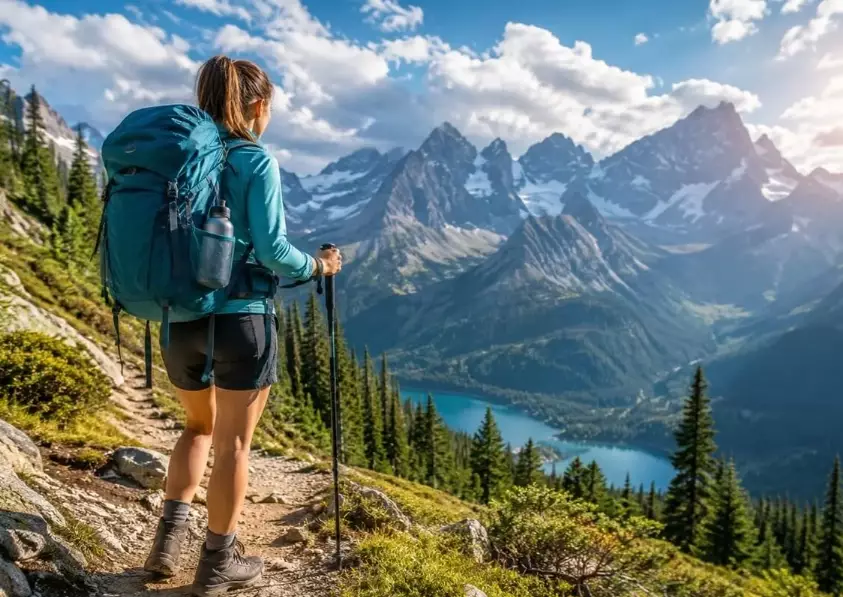
My right knee used to swell up after every steep descent. I ignored it for years. Then a friend handed me a beat-up pair of trekking poles on a trip to the Enchantments in Washington. I cursed them for the first two miles. By mile six, I was a convert. Trekking poles worth it? That depends entirely on your terrain, your knees, and how much you hate carrying extra weight. Here's the real breakdown from someone who's tested cheap $30 sticks and $180 carbon pairs across the Cascades, the Rockies, and the White Mountains.
What's in this guide
The Real Verdict (Skip the Hype)
Trekking poles are worth it for three groups of people: anyone over 40 with even a hint of knee cartilage wear, anyone carrying more than 25 pounds (that's most backpackers), and anyone hiking steep, loose descents where a slip means a sprained ankle. If you're a 25-year-old day hiker on flat rail trails, save your money.
I carried a $35 pair of aluminum poles for two seasons. They squeaked. The locking mechanism slipped once on a wet root. But they saved my butt on a scree field near Mount Rainier. The poles are worth it not because they're magical, but because they turn your arms into two extra legs. On a 20% downhill grade, that's a 20-30% reduction in knee load. That's not marketing fluff. That's biomechanics.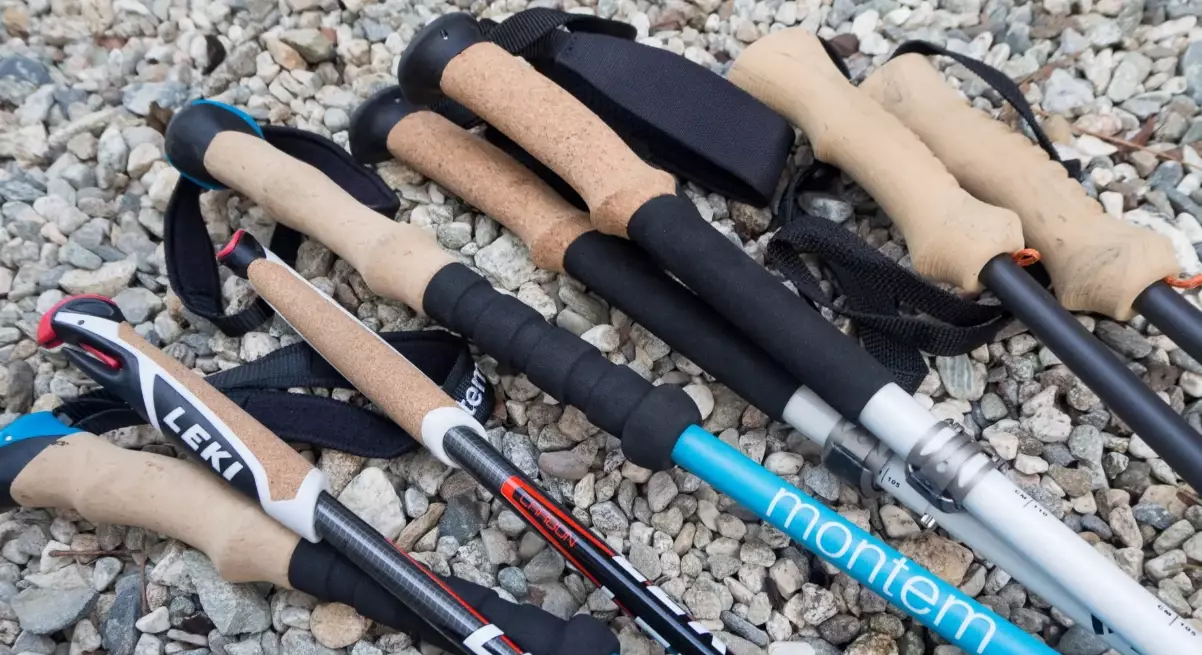
My personal rule: If the hike has more than 1,500 feet of descent and the trail surface is rocky or uneven, I bring poles. If it's flat and smooth, I leave them in the car. It's that simple.
How Do Trekking Poles Help Knee Pain on Descents?
Here's the physics. On a steep downhill, your quadriceps work overtime to control your body weight. Every step, your knee absorbs force equal to three to five times your body weight. Poles let you plant your arms and push back, redistributing some of that force to your upper body and triceps. I noticed it most on a 3,000-foot descent from Angels Landing in Zion. Without poles, my legs felt like jelly by the bottom. With poles, my quads were tired but my knees weren't screaming.
A 2020 study from the Journal of Sports Sciences (you can search for "trekking poles knee load" on Google Scholar) found that poles reduced peak knee flexion by about 12% and lowered perceived exertion on descents. That's not a huge change, but over 10 miles, it adds up. For someone with mild osteoarthritis, that 12% can mean the difference between hiking the next day and sitting in a hotel room with an ice pack.
What about uphill?
Poles help less on the way up. They do engage your arms and can reduce hip and ankle work slightly, but the main benefit is stability on uneven ground and rhythm. I use them on steep uphills mostly to keep my hands from swelling and to avoid tripping over roots. On a 5-mile flat approach, I collapse them and strap them to my pack.
Terrain Matters More Than Your Budget
The type of trail you hike changes the calculus entirely. I've tested poles on three distinct terrains. Here's my honest take:
| Terrain Type | My Pole Verdict | Why |
|---|---|---|
| Rocky, steep descents (e.g., Rocky Mountain scree) | Absolutely essential | A single slip can end your trip; poles are like insurance for your ankles |
| River crossings and muddy sections | Worth it for stability | One pole planted as a third leg prevents a full-body soak |
| Flat rail trails and smooth singletrack | Not worth the hassle | You'll just swing them around; they become dead weight |
| Overgrown bushwhacking | Worth it for probing | I use my poles to push aside thorny bushes and check for hidden holes |
A specific story: last fall, I was descending a wet, root-covered trail in the White Mountains. My buddy, a strong hiker, didn't bring poles. He slipped on a wet root and sprained his wrist catching himself. I walked down the same section with poles, placing each tip carefully between roots. No fall. That's the real value—not speed, but safety margin.
Cheap vs. Expensive Poles: What $30 vs $180 Gets You
I've torn apart both ends of the price spectrum. Here's the no-nonsense comparison:
- $30 aluminum poles (like the Cascade Mountain Tech pair): Heavy (about 10 oz per pole), but nearly indestructible. The flick locks work fine after a few adjustments. They're a great entry point. My pair lasted two full seasons of rough use before the tip wore down.
- $180 carbon poles (like Black Diamond Distance Carbon Z): Noticeably lighter (around 6 oz per pole), vibrate less on hard packed trails, and fold small enough to fit in a daypack side pocket. But carbon can snap if you wedge it between rocks. One friend broke his pair on a talus field, and there's no field repair.
My advice: buy a $35-$50 aluminum pair first. If you use them 20+ times a year and find yourself hiking technical terrain, then upgrade to carbon or a premium aluminum model (like Leki Makalu). The weight difference is real, but not worth $150 for a weekend warrior.
Common mistake I see: People buy the cheapest poles at a big-box store and don't adjust the wrist straps properly. The strap should cradle your wrist so you can push down with the heel of your palm without gripping the handle. If you're gripping the handle like a ski pole, your hands will cramp in an hour. Take five minutes to watch a YouTube video on strap technique. It's the single biggest improvement you can make.
Common Mistakes I See Beginners Make
I've hiked with dozens of people new to poles. Three mistakes show up over and over:
1. Using poles that are too short. On flat ground, your elbow should be bent at 90 degrees when the pole tip touches the ground. Most beginners extend the pole too long and end up shrugging their shoulders. 2. Failing to adjust for uphill vs. downhill. Shorten poles by 5-10 cm for uphill, lengthen them for downhill. It takes 10 seconds and saves your triceps. 3. Not replacing worn tips. The carbide tip wears down like a pencil eraser. A $10 replacement tip can make an old pair feel new on icy rock. I replace mine every two seasons.
One non-consensus tip: don't bother with the tiny snow baskets unless you're actually postholing in deep snow. For 95% of three-season hiking, the standard trekking basket is fine. I've lost more baskets by swapping them out than by leaving them on.
Straight Answers to Real Questions
I still have that first beat-up pair in my garage. They're bent, scratched, and the straps are frayed. But they taught me what matters: not the price tag, but whether you actually use them. For me, they are worth it. For you, it comes down to your knees, your trail, and how much you value stability over an unencumbered stride. Go rent a pair for a weekend. Your knees will tell you the answer.
Comments
Share your experience