Overnight Backpacking Checklist: Ultralight Gear List That Works
What's inside this guide
I left my stove fuel at the trailhead my first overnight trip. Didn't realize until I was 6 miles in. You know what saved me? A crushed ramen brick and cold-soaked oats the next morning. No fire, no fuel, no panic. That trip taught me a simple rule: the best overnight backpacking checklist isn't the longest one. It's the one where every item earns its place. I've since done dozens of one-nighters — some in pouring rain, some above treeline — and my gear list now fits in a 35-liter pack at 18 pounds base weight. Here's exactly what I carry and, more importantly, what I leave at home.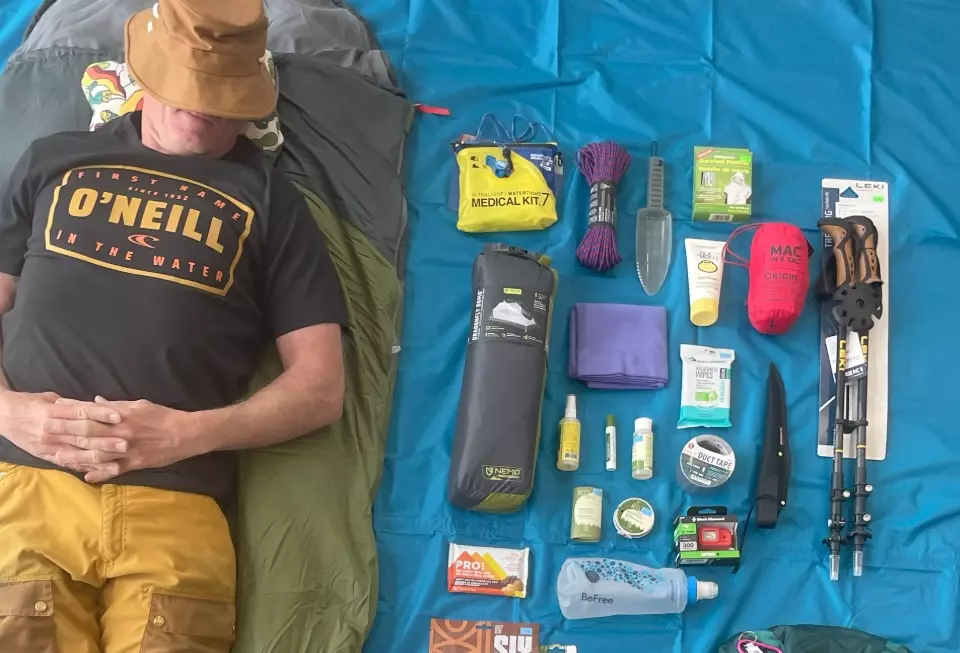
Core sleep system: where most people overpack
My first overnight pack weighed 32 pounds. I brought a two-person tent, a foam pad, a synthetic bag, and a pillow. Half of that was bulk. Now? I carry a single-wall trekking-pole shelter (1.2 lbs), a 20°F quilt (1.4 lbs), and a short inflatable pad (11 oz). The pad is the item I see beginners skimp on — and then sleep terribly. A thin foam pad might save you 8 ounces, but cold hips at 2 a.m. aren't worth it.
What I actually bring for one night:
- Shelter: 1.2 lb trekking-pole tarp or single-wall tent
- Sleeping bag: 20°F quilt with a 5°F safety margin
- Pad: inflatable, R-value 3.5 or higher
- Pillow: inflatable (5 oz) or a stuff sack + puffy jacket
- Ground cloth: polycro window film (1.5 oz)
One non-obvious detail: I always pack a small piece of closed-cell foam (six panels) under my inflatable pad. It weighs 2 ounces. It keeps my pad from sliding on slick granite and gives me a backup if a baffle blows. That's a 10-year habit I won't drop.
Clothing layers for one night out
Overnight trips create a false sense of "I'll be back tomorrow, so I don't need much." Then the temperature drops 25°F at 3 a.m. and you're shivering. My rule: bring one layer more than you think you need for the evening, but nothing for backup. You wear everything you bring.
- Base layer: one synthetic t-shirt and one pair of hiking shorts or pants (the ones you're wearing)
- Mid layer: a 100-weight fleece (7 oz)
- Puffy: a hooded down jacket (10–12 oz)
- Rain shell: a 2.5-layer jacket (7 oz) and rain skirt (2 oz) — pants are overkill for one night
- Sleep clothes: a dedicated dry baselayer top and bottom (6 oz total). This is the one "extra" I never skip. Putting on cold, damp hiking clothes at night is miserable.
- Socks: one worn pair, one dry sleep pair
I've tried sleeping in my puffy. It works down to about 35°F, but the jacket gets damp from condensation. A dedicated dry layer is lighter and warmer.
Kitchen and water: the 2-pound weight trap
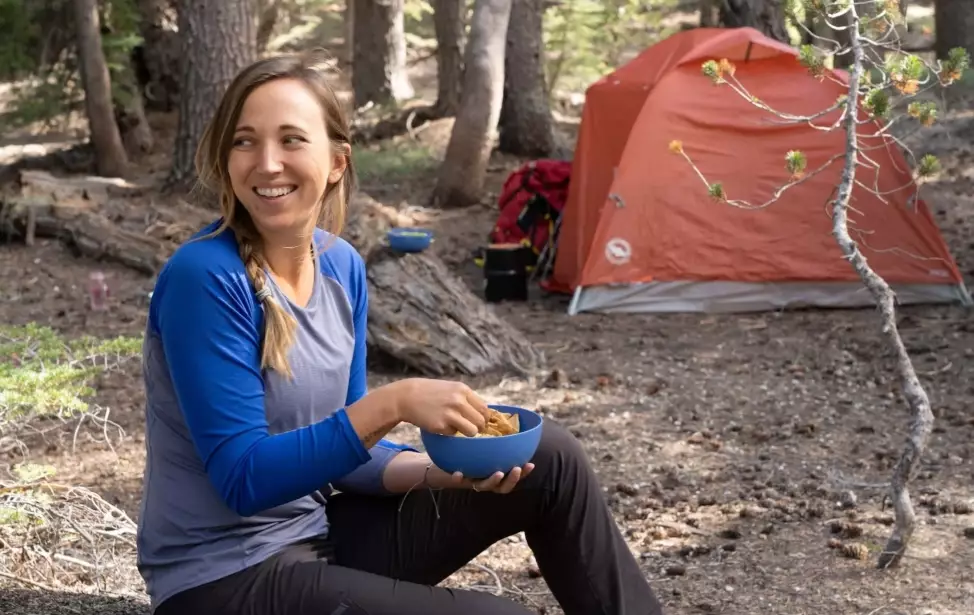
Full cook kits are the biggest weight sink for overnighters. My current setup: a canister stove (3 oz), a 550ml titanium pot (3 oz), a spork (0.3 oz), and a small lighter (0.5 oz). That's 6.8 ounces total. I only boil water — no simmering, no fancy meals.
The trap I see over and over: bringing a 1-pound two-burner stove, a 2-liter pot, and a full spice kit. For one night, you're not cooking a three-course meal. Boil water, pour it in a bag of dehydrated food, wait 10 minutes. Done.
For water, I carry two 1-liter smartwater bottles (2.5 oz total) and a squeeze filter (3 oz). I don't bring a bladder — they're heavier and harder to fill in shallow streams. My filter weighs less than a sandwich and has never clogged. I also carry a backup chemical treatment tablet (5 tablets) because filters can freeze or break.
Safety and repair kit for real-world hiccups
Every overnight backpacking checklist needs a repair and safety kit. Mine is small but specific. I don't carry a big first aid kit — I carry a small one plus a few items I've actually used.
- Repair: 2 feet of duct tape (wrapped around a trekking pole), a gear repair patch, a needle, and 5 feet of cord (2mm)
- First aid: 4 band-aids, 2 gauze pads, 1 roll of medical tape, 2 alcohol wipes, 2 ibuprofen, 1 antihistamine
- Lighting: a 1-oz headlamp with a fresh battery
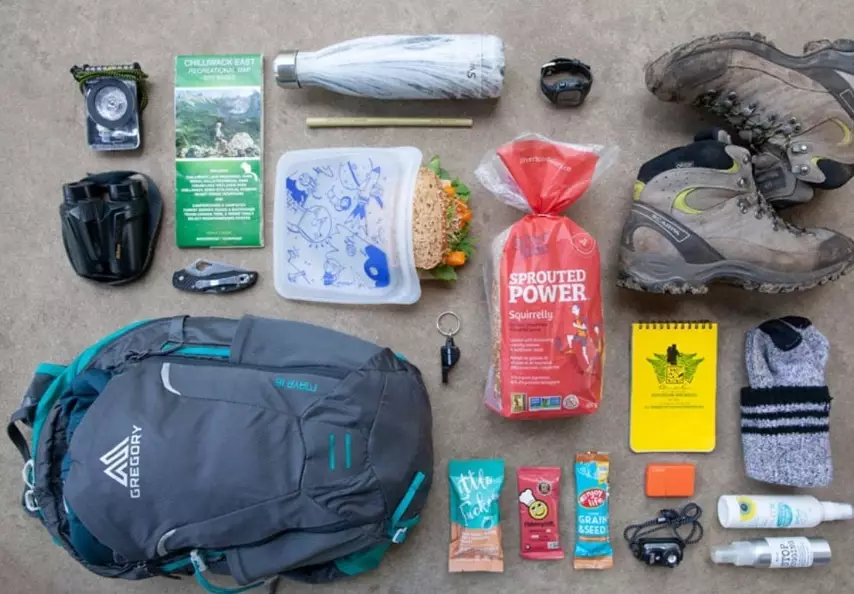
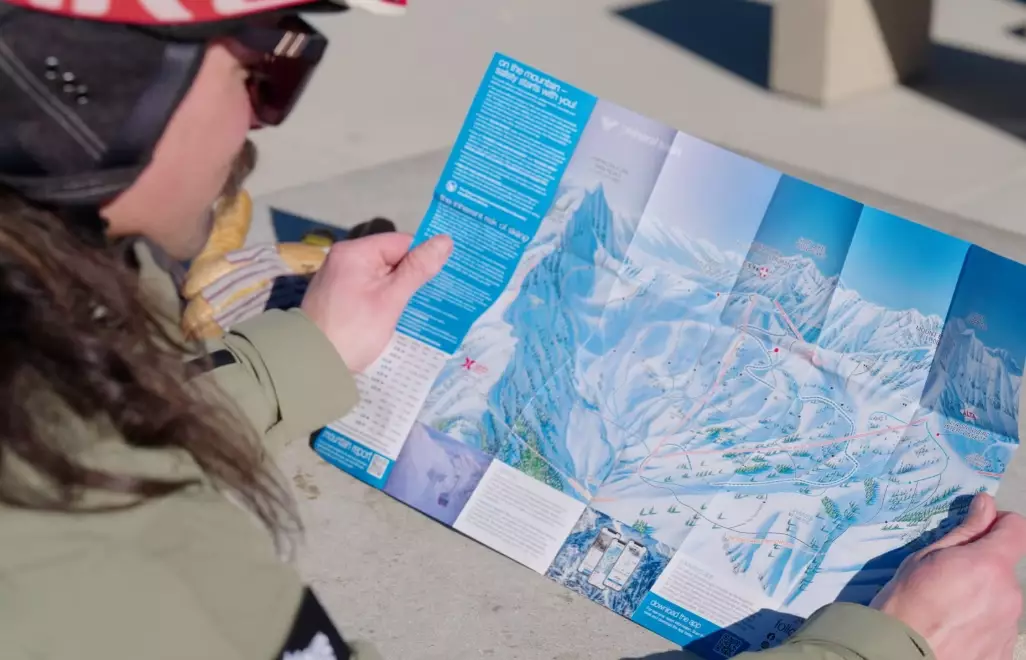
- Navigation: a paper map printed from CalTopo and a compass (no phone backup needed for a one-nighter if you know the route)
- Emergency: a fire starter (ferro rod + 5 birthday candles), a whistle on the shoulder strap, and a space blanket (2 oz)
The one item people skip: a small repair patch for their sleeping pad. A 1-inch square of Tenacious Tape weighs nothing and has saved my sleep more than once. Also, I carry a tiny bottle of hand sanitizer (0.5 oz) — not for hygiene, but as a fire starter. It burns clean.
Pack weight reality check (my 18-pound base)
Base weight is everything except food, water, and fuel. My current three-season base weight is 18 pounds. That's not ultralight by forum standards (some folks get to 10), but it's comfortable and durable. Here's my actual gear table:
| Category | Item | Weight (oz) |
|---|---|---|
| Shelter | Trekking-pole tarp + stakes | 18 |
| Sleep system | 20°F quilt | 22 |
| Sleep system | Inflatable pad (R3.5) | 11 |
| Sleep system | Polycro ground cloth | 1.5 |
| Pack | 35L frameless pack | 28 |
| Clothing | Fleece, puffy, rain shell, sleep layers | 46 |
| Kitchen | Stove, pot, spork, lighter, fuel | 12 |
| Water | 2 bottles + filter + tablets | 10 |
| Safety/repair | First aid, repair tape, headlamp, map, compass | 14 |
| Misc | Toothbrush, sanitizer, toilet paper, trash bag | 5 |
| Total base | — | ~200 oz (12.5 lbs) |
Wait, the table says 12.5 pounds but I said 18 earlier. Add food (1.5 lbs), water (2.2 lbs), and fuel (4 oz) — that's 17.5 pounds total pack weight. The "base weight" number sounds light, but the real carry weight is what matters. On the trail, 18 pounds feels right for my body. I don't need to shave every ounce; I need to sleep well and move efficiently.
Real questions from the trail
How do I handle a cold night when my sleeping bag is only rated for 30°F?
Boil water 30 minutes before bed and pour it into a hard Nalgene bottle. Wrap it in a sock and put it at your feet. That's a 1-pound heater that lasts 4 hours. Also, wear your puffy inside the quilt — the quilt doesn't generate heat, it traps it, and the puffy fills dead space.
What's the one item I should never skip on an overnight trip?
A small repair patch for your pad. I've seen three pads fail at the valve on group trips. A 1-inch square of tape weighs nothing and turns a sleepless night into a minor inconvenience. No other item has that ratio of weight to utility.
Should I bring a bear canister for one night in black bear country?
Check local regulations first. In many areas (like the Sierra Nevada), a canister is required in specific zones. For black bears, a proper hang works if you can find a good branch. But I carry a Ursack (8 oz) instead of a hard canister — it's lighter, and I sleep better knowing the food is critter-proof even if I mess up the hang.
How much water should I carry for a typical overnight?
That depends on your route and season, not a formula. I carry 2 liters if I know there's a reliable stream within 3 miles. If the water source is uncertain, I carry 3 liters. The biggest mistake: carrying 4 liters "just in case" and then dumping half at camp. Check recent trip reports for your specific trail — that's more reliable than any rule of thumb.
Do I need a pillow for one night?
You don't need one. But if you're a side sleeper, a stuff sack filled with your puffy jacket works fine. I tried sleeping on a balled-up fleece for years and got neck cramps. A $15 inflatable pillow (2.5 oz) is cheaper than a chiropractor visit. That's a personal preference, not a weight decision.
I've packed and repacked this list for years. The items that stay are the ones I've needed at least once. The items that get cut are the ones I brought "just in case" and never touched. Use this overnight backpacking checklist as a starting point, then adjust based on your own weather window, your route, and how well you sleep on a thin pad.
This guide is based on firsthand experience on overnight trips in the Pacific Northwest and Sierra Nevada. All gear weights are from my own scale. Regulations and best practices vary by region — confirm with local land managers before you go.
Comments
Share your experience